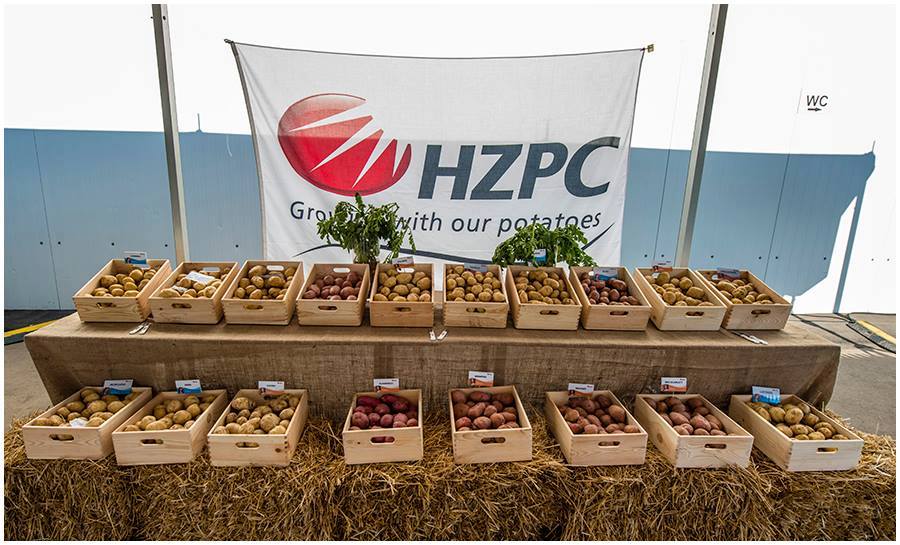
Potato breeder HZPC believes that old EU legislation should make way for new techniques for plant breeding. The potato trading house therefore embraces the conclusions of the European Commission study on new genomic techniques.

Ikerketa honen emaitzek erakusten dute Europako Batzordeak eta EBko estatu kideek premiazko neurriak hartu behar dituztela landareen hazkuntza-metodo berritzaileetatik eratorritako produktuak modu ezberdinean landu ahal izateko. Ikerketak azpimarratzen du teknika genomiko berrien bidez (NGT) lortutako landareek elikadura-sistema jasangarriago bati lagun diezaioketela.
Director Gerard Backx of HZPC: ‘As HZPC has always argued, this study recognizes that these new techniques create plant cultivation solutions for more sustainable food production, because they enable growers to make plants more resistant to disease and give them other important characteristics in a short period of time. . According to this study, the more than 20 years old legislation on genetically modified organisms should not be used to regulate these new genomic techniques, as it is inconsistent with the scientific progress made. If EU policymakers apply this vision, the EU will be more in line with the vision in many other parts of the world. ‘
Kontrako eraginak
Europako legediak eragozten die hazleei teknika genomiko berriak erabiltzea, eta horrek ondorio negatiboak ditu ingurumenean. Hau bereziki garrantzitsua da patata bezalako labore batentzat. «Teknologia klasikoekin, hazleek aurrerapen genetiko motela baino ezin dute egin labore honetarako. Eskari handia dago irabazi genetiko azkarrago baten alde», dio Backxek.
• Irakurri ere: Nekazarien erakundeak pozik daude GMOen arauen berrikuspenarekin
Patata munduko hirugarren elikagai-labore garrantzitsuena da eta kontinente guztietan eta baldintza guztietan hazten da. Gainera, labore honek ekoizten du janari gehien ur gutxien kontsumituz.