
Digging Through Green Haulm: When Harvesting Without Desiccation Works and What It Costs

Funtsezko garraioak
- IFAS: 1–3 weeks between vine kill and harvest, ideally 2–3
- University of Delaware: 10–21 days depending on maturity and variety
- Wet soil after vine kill can loosen an already set skin
- Lots lifted under green haulm: store separately, cure, sell first
Zergatik da garrantzitsua?
- Nekazariei zuzenduta
- Kill haulm first on sandy soils and storage fields; lift green-haulm crops on loam slowly, store them separately and sell them first.
- Hornitzaileentzat
- Eskaria haulm toppers and desiccation services is visible where farms share one machine across many fields.
60 segundoko laburpena
Many farms lift potatoes under still-green haulm delako haulm toppers are scarce and harvest windows are short. Extension research explains the risk. University of Florida IFAS recommends one to three weeks between vine kill and harvest, ideally two to three, so tubers develop a firm skin; tubers lifted under live vines have thin skins that rub off and lose more weight and decay in storage. The University of Delaware puts the interval at 10–21 days depending on vine maturity and variety, and warns that a set skin can weaken again if soil turns very wet after vine kill. Growers report that lifting under pale-green haulm can work on loam without excess nitrogen, with slow speed and careful harvester settings, while sandy soils strip immature skin. Lots lifted this way are best stored separately, cured and sold first, and haulm toppers should go first to light soils and long-storage fields.
Hiltzea haulm before harvest is standard practice on most potato farms. But in a real season the haulm topper may not be available, the weather is pushing, and the field is still green. Growers increasingly ask: can potatoes be lifted under live foliage without losing tuber quality? The answer depends on how far the skin has set, what soil the crop is in, and where the potatoes are going.
Zergatik haulm is killed at all
University of Florida IFAS Extension lists the goals of vine killing: more uniform tuber size, easier release of tubers from the stolons at harvest and, above all, skin set. Fewer skin breaks mean fewer entry points for fungal spores, including late blight. IFAS recommends one to three weeks between vine kill and harvest, ideally two to three. Tubers lifted under live vines have thin, poorly developed skins that rub off easily during harvest and packing, and they are more prone to weight loss and decay in storage.
How the skin sets
Agronomists at the University of Delaware explain the mechanism: once the tuber stops bulking, cells in the skin layer stop dividing, their walls thicken and become heavily suberised, and the skin becomes resistant to shearing. The recommended interval between vine death and harvest is 10–21 days depending on vine maturity and variety. One important detail: a set skin can weaken again if the soil becomes very wet after vine kill, because extra moisture reactivates cell division. Early smooth-skinned and red-skinned varieties set skin more slowly than others.
Astegunetan. Harpidetza kendu klik bakarrarekin.
When lifting under green haulm lan egiten du
Growers’ experience points to several conditions:
- Lurra. On loams, where clods are softer and tubers are rubbed less, lifting under pale-green haulm can give acceptable quality. On sandy soils, where abrasive soil strips immature skin, it is hard to do without killing the haulm lehen.
- Nitrogeno. The haulm should senesce naturally: excess nitrogen late in the season keeps the plant growing and delays skin set.
- Harvester settings. Forward speed, soil moisture, the absence of hard clods in the ridge and correct web settings decide how many tubers are skinned.
- Market destination. Potatoes for immediate sale tolerate immature skin better than lots for long-term storage or seed.
The price to pay
The main cost shows up in storage. According to IFAS, immature tubers lose more weight and decay more often. Lots lifted under green haulm are therefore best stored separately, given a curing period to heal wounds, and sold first. Growers put seed crops first in the queue for the haulm gainaldea.
Zergatik da garrantzitsua?
Eskasia. haulm toppers and tight harvest windows make lifting under green foliage a forced practice for many farms. Knowing where it is acceptable — on loam, without excess nitrogen, for lots going straight to market — and where it leads to storage losses helps allocate scarce machinery: kill haulm first on light soils and on fields destined for long-term storage.
Ikus halaber: Patata haulm suntsipena: lehortzea.
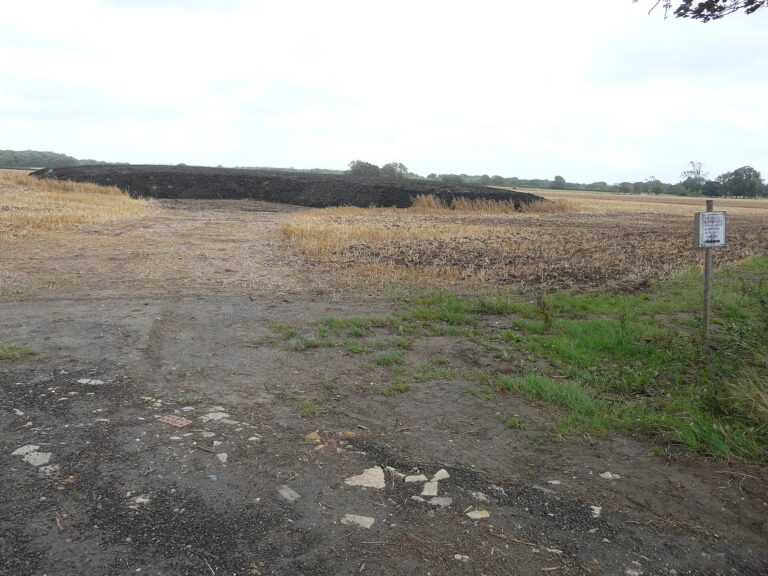
Photo: Potato harvest in progress (illustrative). D H Wright / Wikimedia Commons, CC BY 2.0
Mundu mailako patataren laburpena
Bost istorio nagusiak, prezioak, gaixotasunen alertak eta gertaerak. Astegunetako goizak, publizitaterik gabe.
Zer hurrengo
With harvest continuing into October, farms short of haulm toppers will need to prioritise light soils and long-storage fields.
Iturriak
- MAX txata «КАРТОФЕЛЬ И Т.Д. (Patata eta abar)» — https://max.ru/join/SViX6IyOKuJHB6-xuuepbMbts_zk4eiEYdXUpUWVu28
- University of Florida IFAS Extension — Potato Vine Killing or Desiccation (HS181) — https://ask.ifas.ufl.edu/publication/HS181
- University of Delaware, Weekly Crop Update — Skinning in Potatoes — https://sites.udel.edu/weeklycropupdate/?p=7379
Material honetan lotuta
- Herriko
- Munduko
Lotutako istorioak
Dendak beteta daude: Nola eraiki patata-pintza bat uzta eusten duena lekua askatu arte

Uzta heze baten ondorengo ildoak: nola ez blokeatu hurrengo urteko patata-errendimenduaren galerak


