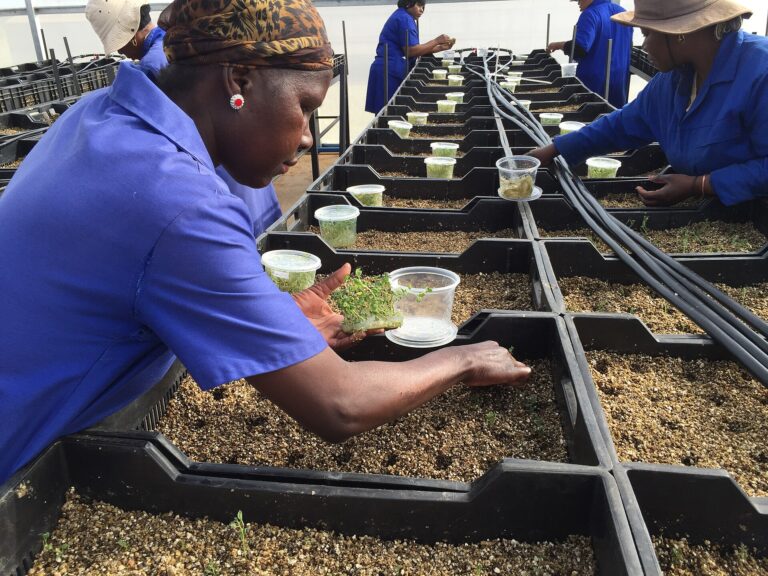
Izoztea patata uzta garaian: nola gorde tuberkulu izoztuak biltegitik kanpo
Funtsezko garraioak
- 1 °C below zero (30 °F): tuber tissue starts to freeze
- 2.2 °C below zero (28 °F) marks a hard frost in the ridge
- 7 °C (45 °F) minimum pulp temperature advised at harvest
- 5% total rot is the limit for putting a lot into storage
Zergatik da garrantzitsua?
- Nekazariei zuzenduta
- After a hard frost, wait a few days before lifting so damaged tubers show, dig only warm crops and grade frozen tubers out at loading.
- Prozesadoreentzat
- Ask suppliers about frost exposure before intake and plan early use of frosted lots with more than 5% rot.
- Hornitzaileentzat
- Offer store ventilation checks and humidity control to growers who lift after frost.
60 segundoko laburpena
A late harvest and early night frosts are a risky mix for potato stores. Tubers begin to freeze at roughly minus one degree, and a hard frost near minus two can damage the upper part of the ridge, especially on dry soil and in low spots where cold air settles. The damage is hard to see at lifting, yet the dead tissue soon softens, darkens and invites bacterial rot that spreads to healthy neighbours. North American specialists therefore advise waiting a few days after a hard frost so that damaged tubers show up, digging only warm crops with pulp above 7 °C, cutting drop heights and training graders. In store, frosted lots need constant ventilation for a month, about 10 °C for wound healing and air humidity well under 95%. Lots with more than 5% rot should be sold first. The advice comes from US and Canadian extension work, so storage regimes should be checked against local practice.
In many potato regions, the harvest is not finished by the end of September. At the same time, the first night frosts arrive. This is a risk for tubers that stay in the ridges or lie in piles near the field. A frozen tuber looks almost normal at digging. A few days later, it can become a source of rot for the whole lot.
When cold becomes dangerous
A potato tuber does not freeze at zero. Its cell sap contains dissolved substances. According to researchers from the US Department of Agriculture and the University of Wisconsin, tuber tissue freezes below about 30 °F (about −1 °C). A hard frost starts at 28 °F (−2.2 °C) and below. It can damage tubers in the top part of the ridge, not only the leaves.
Soil protects the crop, but not evenly. Tubers near the surface freeze first. Tubers in low spots of the field are also at risk, because cold air collects there. Dry soil cools faster than moist soil. After a dry summer, the ridge holds less heat.
Astegunetan. Harpidetza kendu klik bakarrarekin.
What the damage looks like
Frozen tissue does not recover. After thawing, it becomes soft. Within a few days, the flesh turns gray and dark. Damaged parts can turn into a wet mass. The tuber forms a barrier layer between living and dead tissue. However, the damaged part becomes an entry point for bacterial rots. The main danger is not the loss of single tubers. It is the infection of healthy tubers in the store.
What to do in the field
Crop protection specialists in North America give several simple rules:
- After a hard frost, wait several days before digging. Damaged tubers will darken or start to rot, and graders can remove them more easily.
- Do not handle tubers until they are fully warm. Pulp temperature at harvest should be above 7 °C (45 °F).
- Keep drops on the harvester and conveyors as low as possible. Bruises on chilled tubers quickly become infection sites.
- Train graders to recognize frost damage. Grading at loading is the last reliable barrier.
What to do in the store
Lots hit by frost need a special regime. Specialists advise continuous ventilation for the first 30 days. They recommend about 50 °F (10 °C) for about two weeks to heal wounds. The humidity of supply air should stay well below 95%. This prevents condensation on the tubers. The gap between the top of the pile and the ceiling should be at least 2 feet (0.6 m). Specialists also warn against long storage of lots with more than 5% total rot. Such lots should be sold first.
Zergatik da garrantzitsua?
September frosts during a late harvest are common in Siberia, the Urals and Central Russia. Frozen potatoes stored together with healthy ones can ruin a large share of the crop by winter. Prices are usually higher in winter. A few days of waiting and careful grading cost less than losses in January.
Photo: Two peasant women digging in a snow-covered field, painting by Vincent van Gogh, 1890 (illustrative). Vincent van Gogh / Wikimedia Commons, domeinu publikoa
Mundu mailako patataren laburpena
Bost istorio nagusiak, prezioak, gaixotasunen alertak eta gertaerak. Astegunetako goizak, publizitaterik gabe.
Zer hurrengo
Night frosts are arriving while the harvest is still under way in Siberia, the Urals and Central Russia. Losses from frosted lots usually appear in store weeks later, often by midwinter.
Iturriak
- MAX txata «КАРТОФЕЛЬ И Т.Д. (Patata eta abar)» — https://max.ru/join/SViX6IyOKuJHB6-xuuepbMbts_zk4eiEYdXUpUWVu28
- Potato Grower — Out in the Cold: Coping with frost-damaged potatoes — https://www.potatogrower.com/2019/03/out-in-the-cold
- Spud Smart — What To Do When Frost Hits — https://spudsmart.com/what-to-do-when-frost-hits/
- University of Idaho Extension — Impact of Freezing Temperature on Potato Tubers, BUL 1073 — https://www.uidaho.edu/extension/publications/bul-1073
Material honetan lotuta
- Herriko
- Munduko
- Teknologiak
- forced ventilation; grading
Lotutako istorioak
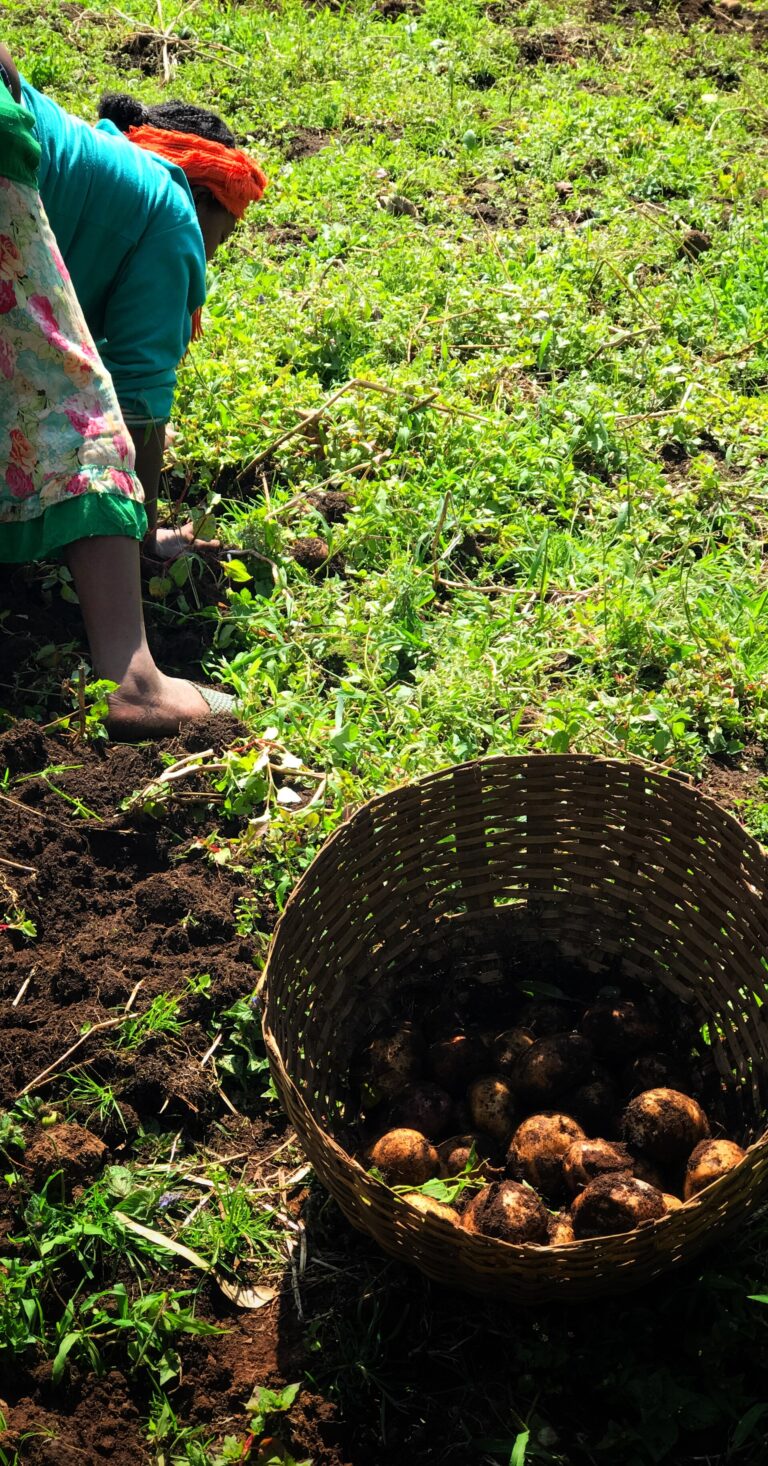
Etiopia: Patata ekoizpena hamar aldiz handitu da 2000tik, 4.09 milioi tonara iritsiz
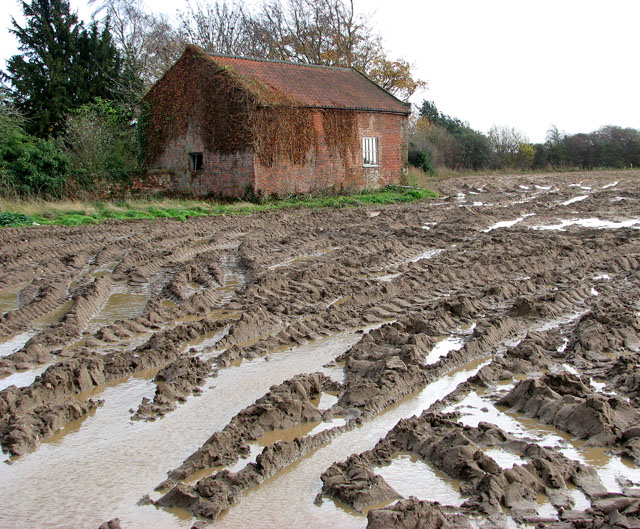
Euripean bildutako patatak: nola lehortu uzta eta biltegian gorde