#PatataFusariumarenUstelduraLehorraTratatzea: Arrazoiak, Sintomak eta Tratamendu Aukera Eraginkorrak
#PatataFusariumUstelduraLehorra #Fusariumspp. #kulturapraktikak #kontrolkimikoa #kontrolbiologikoa #patataekoizpena
Patata Fusarium Dry Rot is a fungal disease that affects potatoes, causing them to rot and become unusable. This disease can have a significant impact on potato production, as infected potatoes can spread the fungus to other plants and soil, leading to further crop damage. In this article, we will explore the causes and symptoms of Potato Fusarium Dry Rot and provide effective treatment options.
Causes of Potato Fusarium Usteldura lehorra
Astegunetan. Harpidetza kendu klik bakarrarekin.
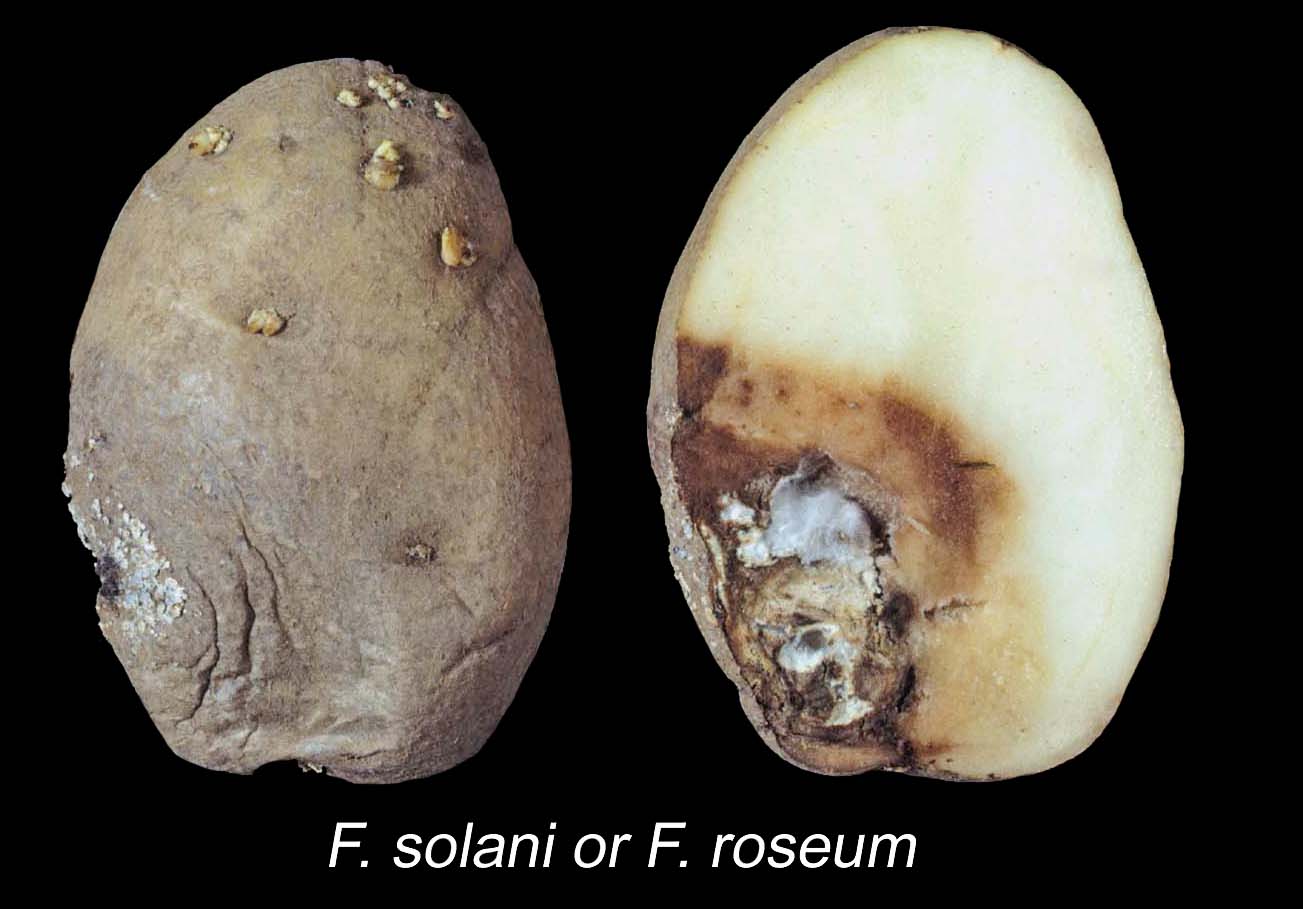
Patata Fusarium Dry Rot is caused by a fungus called Fusarium spp., which can survive in the soil for many years. The fungus can infect potatoes through wounds or natural openings in the skin, such as the eyes or lenticels. The disease is most prevalent in warm, moist soil conditions and is often spread by contaminated seed potatoes or soil.
Symptoms of Potato Fusarium Usteldura lehorra
The symptoms of Potato Fusarium Dry Rot may vary depending on the severity of the infection. In the early stages, the infected potato may show no visible signs of the disease. However, as the infection progresses, the potato may develop dark, sunken areas on its skin, which may be covered in a pinkish-white fungal growth. The flesh of the potato may also become dry, corky, and discolored, with a foul odor.
Tratamendu aukera eraginkorrak
There are several treatment options available to control Potato Fusarium Dry Rot, including cultural practices, chemical control, and biological control.
Kultura-praktikek neurriak hartzen dituzte barne, hala nola laboreen txandaketa, saneamendu egokia eta gaixotasunik gabeko hazi-pataten erabilera gaixotasunaren hedapena saihesteko.
Chemical control involves the use of fungicides to control the disease. Fungicides such as chlorothalonil, mancozeb, and azoxystrobin have been found to be effective in controlling Potato Fusarium Dry Rot. However, it is essential to use these chemicals according to the manufacturer’s instructions to prevent the development of resistant strains.
Biological control involves the use of beneficial microorganisms to control the disease. Several strains of bacteria and fungi have been found to be effective in controlling Fusarium spp., including Bacillus subtilis and Trichoderma spp.
Ondorioa
Patata Fusarium Dry Rot is a serious disease that can have a significant impact on potato production. However, by understanding the causes and symptoms of the disease and implementing effective treatment options, it is possible to control the disease and prevent its spread. By using cultural practices, chemical control, and biological control methods, farmers can protect their crops and ensure a healthy potato harvest.
Mundu mailako patataren laburpena
Bost istorio nagusiak, prezioak, gaixotasunen alertak eta gertaerak. Astegunetako goizak, publizitaterik gabe.
Material honetan lotuta
- Sailak
- AGROTEKNOLOGIA
Lotutako istorioak
Patata biltzeko makinaren bereizketa-ezarpenak: nola babesten duten sareak eta astinduak uzta

Barietateen aukera nitrogeno estrategia bat da: zergatik patata-kultibar batzuek ongarri askoz gutxiago behar duten